Roof Repair vs. Roof Replacement: What Temple Homeowners Should Know
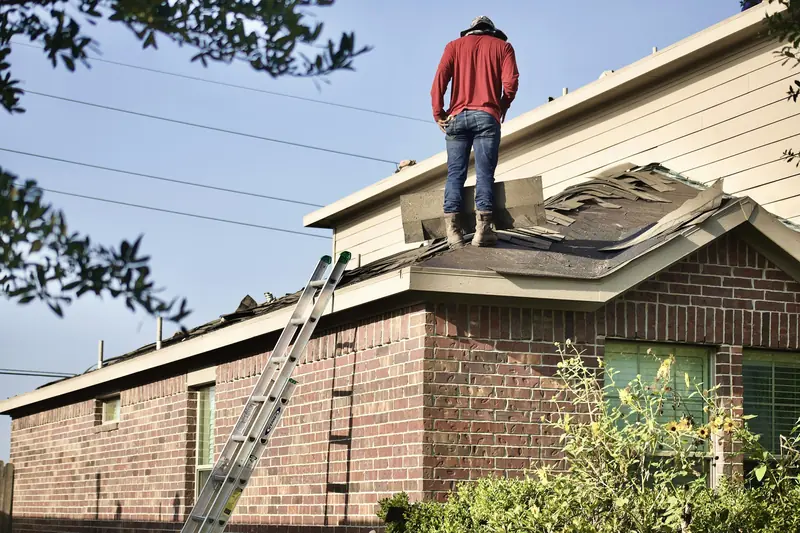
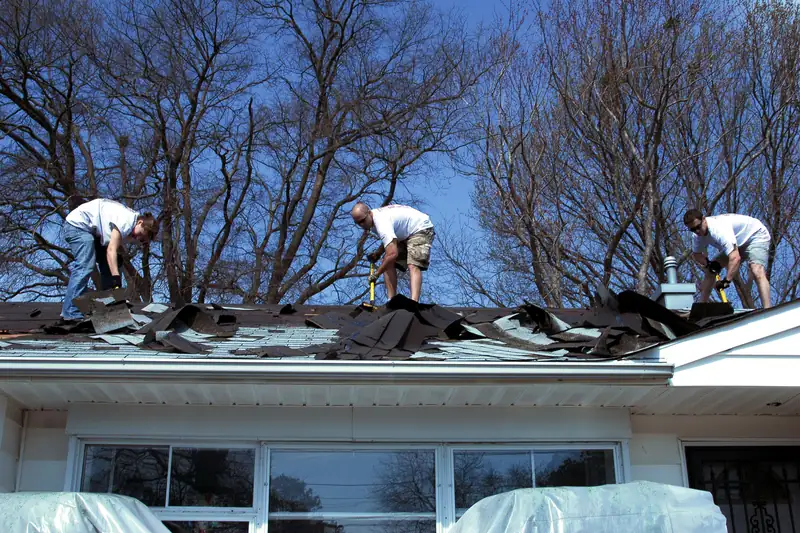
A water spot on the ceiling, a few shingles in the yard after a windy night, or a home inspector's note during a sale can all lead to the same question: fix it, or replace the whole roof? The roof repair vs replacement decision is not always obvious, and the wrong call either way costs money. Patch a roof that is worn out and you may pay for several repairs before replacing it anyway. Replace a roof that only needed a targeted fix and you have spent far more than necessary. This guide gives Temple homeowners a practical way to think it through.
Start With Three Questions
Most experienced roofers boil the decision down to three things:
- How old is the roof, and how much life does it realistically have left?
- Is the problem isolated, or is it a symptom of something widespread?
- What is the condition of the layers you cannot see, like the decking and underlayment?
If the roof is relatively young, the damage is confined to one area, and the structure underneath is sound, repair is usually the smart move. If the roof is near the end of its service life, problems are showing up in several places, or the decking is compromised, replacement tends to make more sense. Most real-world cases land somewhere in between, which is where the details matter.
When Roof Repair Makes Sense
Many roof problems are local and very fixable. A roof repair is often the right answer when:
- A few shingles blew off in a single wind event and the rest of the roof is in good shape.
- A pipe boot has cracked. The rubber collars around plumbing vents commonly dry out and split in our summer heat long before the shingles wear out. Replacing them is a small job that stops a lot of leaks.
- Flashing has failed at a chimney, skylight, or wall, while the field shingles are fine.
- A tree limb caused damage to one section.
- Exposed nail heads or a lifted ridge cap are letting water in at a specific spot.
In these cases the leak has a clear cause, and fixing that cause restores the roof's performance. A good repair matches materials as closely as possible and seals the area correctly, rather than smearing roofing cement over the problem.
The matching problem
One complication with repairs on asphalt roofs is matching. Shingle colors fade, and product lines get discontinued. On a roof that is only a few years old, a close match is usually possible. On an older roof, new shingles may stand out. That is mostly a cosmetic issue, but it is worth knowing before you decide, especially on the street-facing side of the house.
When Roof Replacement Is the Better Investment
Replacement starts to make more sense when the problems are not really about one spot, but about the roof as a whole. Signs pointing toward a roof replacement include:
- Widespread granule loss, with shingles looking bald or shiny over large areas.
- Curling, cupping, or cracking across multiple slopes, which is common on older roofs that have endured years of Central Texas sun.
- Repeated leaks in different places, which suggests the whole system is breaking down.
- Sagging rooflines or soft spots in the decking, which point to long-term moisture damage.
- Widespread hail or wind damage across several slopes after a major storm.
- Two existing layers, where adding repairs on top of an already heavy, aging system does not make long-term sense.
Age matters too. Asphalt shingle roofs in hot climates often wear out sooner than the number printed on the package. If your roof is approaching the end of its expected life, money spent on repairs buys less time. Our article on how long a roof lasts in Temple covers typical lifespans for different materials.
Roof Repair vs Replacement at a Glance
This side-by-side comparison summarizes the trade-offs most homeowners weigh.
| Factor | Repair | Replacement |
|---|---|---|
| Best for | Isolated damage on a roof with good remaining life | Aging roofs, widespread damage, or recurring leaks |
| Upfront cost | Lower | Higher |
| Long-term value | Good if the rest of the roof is sound | Resets the clock with new materials and underlayment |
| Time on site | Often a few hours | Commonly one to three days for a typical home |
| Decking inspection | Only the repaired area | The entire deck is exposed and can be fixed |
| Appearance | New shingles may not match older ones | Uniform look across the whole roof |
| Upgrade opportunity | Limited | Can add impact-resistant shingles, metal, better ventilation |
| Effect on home sale | Buyers may still ask about roof age | A new roof is often a selling point |
Situations Specific to Temple and Bell County
Local conditions shape this decision more than people realize.
After a hailstorm
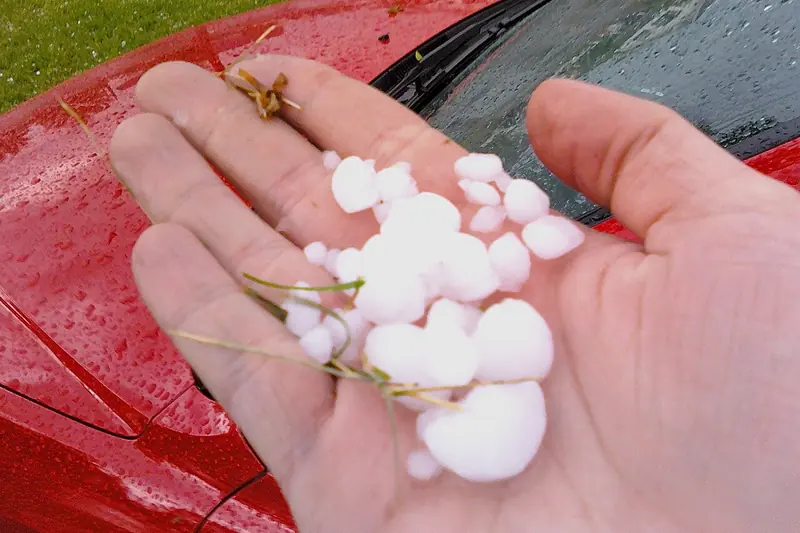
Spring storms regularly bring hail to Central Texas. Hail damage is often spread across entire slopes rather than concentrated in one spot, which tends to push the decision toward replacement, and the cost may be partly covered by homeowners insurance if the damage qualifies. If you are not sure whether your roof was hit, read how to spot hail damage on your roof before deciding anything. Our hail damage roofing page explains how we document storm damage.
After high winds
Wind damage is more often localized: a handful of creased or missing shingles along a ridge or edge. That frequently makes it a repair job. However, if shingles are lifting across a wide area because the adhesive strips have failed with age, repairs may only hold until the next gusty front. See our wind damage roof repair service for more.
Older homes near downtown
Some older homes in central Temple have plank decking, multiple shingle layers, or past repairs stacked on top of each other. Spot repairs on these roofs can be harder to make watertight, and replacement gives the chance to correct underlying issues like inadequate ventilation.
Newer subdivisions
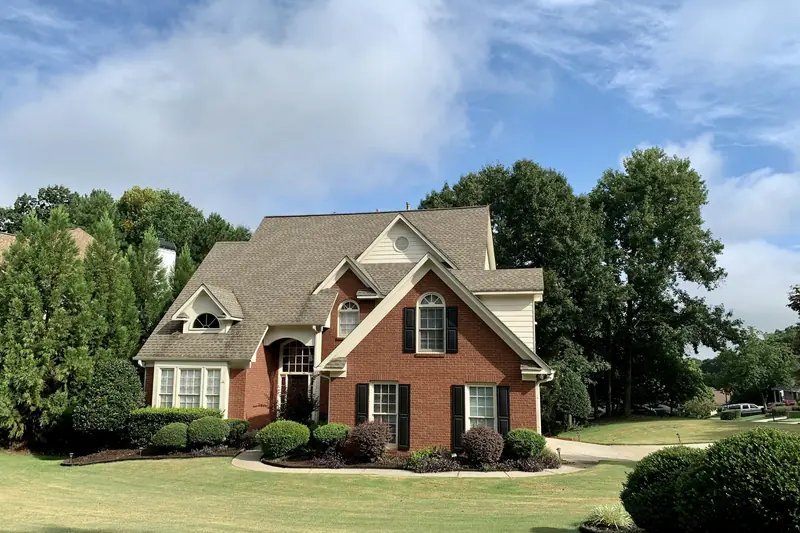
Many homes in newer parts of west and south Temple were roofed around the same time as their neighbors. If houses around you are getting new roofs, it is worth having yours checked, but do not assume you need one too. A roof on a newer home with a single problem area is often a straightforward repair.
Thinking About Cost the Right Way
Comparing a repair quote to a replacement quote side by side is misleading, because they buy different things. A more useful approach is to think in terms of cost per year of reliable service.
For example, imagine a roof that needs a moderate repair now. If the rest of the roof is in good condition and has many years left, that repair is excellent value. If the roof is near the end of its life and will likely need another repair next season and replacement soon after, the repair money is mostly delaying the inevitable. In that case, putting it toward a new roof may be the better use of your budget.
A few rules of thumb many roofers use:
- If repairs would cover a large share of the roof surface, replacement is usually more practical.
- If you have paid for repeated repairs in the last few years and the roof keeps leaking somewhere new, it is time to price replacement.
- If you plan to sell within a few years, factor in that buyers and their inspectors will look closely at roof age and condition.
To see what a full replacement might involve for your house, our roof replacement cost calculator gives a rough estimate, and our article on what a new roof costs in Temple explains what drives the price.
Questions to Ask Before You Decide
Whoever inspects your roof, these questions will help you understand the recommendation rather than just accept it:
- What exactly is causing the problem? A clear answer, such as a cracked pipe boot or failed step flashing, usually points to a repair. A vague answer deserves a follow-up.
- How much life does the rest of the roof have? Ask for a realistic range and what the inspector saw that supports it.
- Can you show me photos? Since you should not be on the roof yourself, photos of the problem areas and the general condition of each slope are essential.
- If I repair now, what should I expect next? A good roofer will tell you if they anticipate more issues soon.
- What would replacement include? Tear-off, underlayment, flashing, ventilation, and decking allowances should all be spelled out in writing.
- Is the ventilation adequate? Poor attic ventilation shortens shingle life in hot climates, and fixing it may change the math on repair versus replacement.
If you get two opinions that disagree, ask each roofer to explain their reasoning with photos. The right answer is usually the one supported by clear evidence rather than urgency or pressure.
Don't Let a Repair Turn Into an Emergency
Whichever way you lean, avoid waiting. Small leaks get bigger, and Central Texas downpours can push a lot of water through a minor opening. Water that sits in the decking and insulation can lead to rot, ceiling damage, and mold, which turns a modest repair into a much bigger project. If water is actively coming in, a temporary tarp and emergency leak repair can protect the house while you decide on the long-term fix.
Getting an Honest Recommendation
The best way to settle the roof repair vs replacement question is a careful look by someone who will explain what they see, show you photos, and lay out both options when both are reasonable. That is how Temple Roofers approaches it. Book a free roof inspection and we will check the shingles, flashing, vents, and decking where visible, then give you a written estimate. If a repair will do the job, we will tell you so. If replacement makes more sense, we will explain why, so you can make the decision that fits your home and budget.
Frequently Asked Questions
Sometimes. Replacing a single slope or section can work when damage is limited to that area and the rest of the roof is in good condition. The trade-offs are that new shingles may not match the older ones, and the older sections will still age out on their original schedule. A roofer can tell you whether a partial replacement is practical for your layout.
Check closing documents from when you bought the house, the seller's disclosure, any permit records, or receipts from a previous roofer. If none of those are available, an experienced roofer can usually estimate the age range from the condition and type of shingles.
It depends on your policy and the cause of the damage. Sudden storm damage from hail or wind may be covered, subject to your deductible, while normal wear and age generally are not. Your insurance company decides coverage. A roofer can document the damage and provide an estimate, but cannot negotiate the claim for you.
Not if it prevents interior damage. A small repair that stops an active leak protects your ceilings, insulation, and decking while you plan and budget for replacement. Just avoid spending on larger repairs for a roof you already know is at the end of its life.
Get a Free Roof Inspection in Temple
Photos, plain-language findings and honest advice — at no cost and with no obligation.