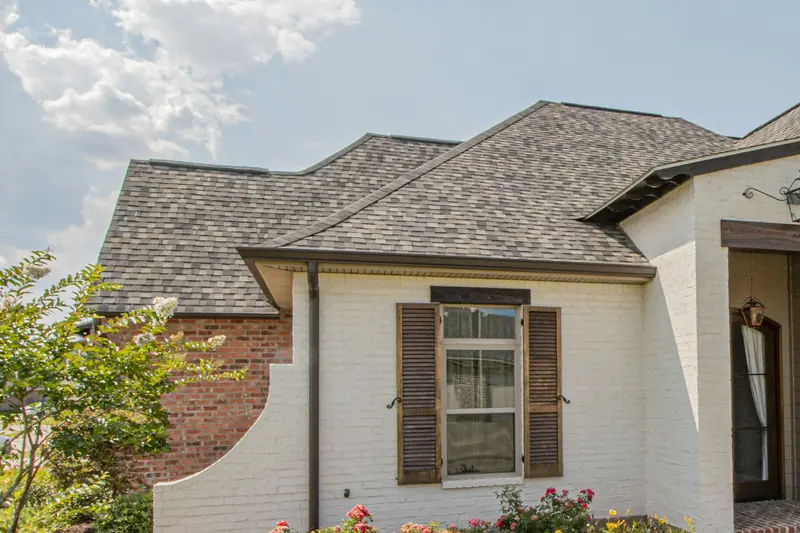
Gutters rarely get attention until they overflow in a thunderstorm or pull loose from the fascia. Yet in Central Texas, where a single storm can dump heavy rain in a short time, the drainage system at the roof edge does a lot of quiet work. Temple Roofers installs and repairs gutters in Temple, TX, along with downspouts, drip edge and related roof-edge components. We look at the whole path water takes, from the shingles to the ground, and make sure each piece is sized and pitched to handle it.
Warning Signs of Drainage Problems
Most gutter trouble is visible from the ground, especially during or just after a rain. Watch for:
- Water spilling over the front or back of gutters during heavy rain
- Gutters sagging, leaning outward or separating from the fascia
- Peeling paint, dark stains or soft spots on fascia boards and soffits
- Drips or leaks at seams, corners and end caps
- Eroded soil, splash marks or washed-out mulch below the roofline
- Standing water or soggy ground near the foundation after storms
- Plants or debris growing in gutters
- Downspouts that end right at the foundation wall with no extension
Why Drainage Matters for Bell County Homes
Expansive clay soil and foundations
Much of the Temple area sits on expansive clay soil that swells when wet and shrinks as it dries. When gutters overflow or downspouts dump water right at the slab, one side of the foundation can become much wetter than the rest. Uneven moisture is a well-known contributor to foundation movement in Central Texas, which can show up as cracked drywall, sticking doors or gaps around windows. Directing roof water several feet away from the house, and keeping soil moisture around the foundation more consistent, is one of the simplest ways to reduce that risk.
Fascia and roof-edge rot
When gutters back up, water sits against the fascia board and can wick under the roof edge. Over time the wood softens, the gutter loses its grip, and rot can reach the roof decking. A properly installed drip edge directs water off the roof and into the gutter rather than letting it curl back onto wood. Many older homes in central Temple were roofed before drip edge was routinely used, and we often add it during repairs or roof replacement.
Gutter Sizing and Downspouts
Gutter size should match the amount of roof area draining into it, the roof pitch, and the intensity of local rainfall. Steeper roofs send water into the gutter faster. Valleys concentrate flow into a small section of gutter. Our roof pitch calculator helps you understand how steep your roof is.
| Component | Common options | What to consider |
|---|---|---|
| Gutter profile | 5-inch and 6-inch K-style; half-round on some homes | 6-inch gutters carry noticeably more water and are often worth it for large or steep roof sections |
| Downspouts | 2x3-inch or 3x4-inch | Larger downspouts and more of them reduce overflow; spacing and placement matter as much as size |
| Extensions and outlets | Splash blocks, extensions, underground drain lines | Discharge water away from the foundation and toward areas that drain well |
| Gutter guards | Screens, micro-mesh, surface-tension covers | Reduce clogging from leaves and debris; none are maintenance-free and some can shed water in very heavy rain |
| Drip edge | Metal edge flashing at eaves and rakes | Protects fascia and the deck edge, and directs water into the gutter |
Our Gutter and Drainage Process
- Free, no-obligation inspection. We look at the gutters, downspouts, fascia, soffit, drip edge and the roof edge, and note where water is collecting around the house.
- Photo documentation. Photos show you sagging sections, rot, overflow stains and any roof-edge damage.
- Written estimate with options. Depending on what we find, options might include re-pitching and resealing existing gutters, replacing damaged sections, upsizing gutters and downspouts, adding drip edge, replacing rotted fascia, or adding guards.
- Installation. Gutters are hung with a consistent slope toward downspouts, secured with hangers into solid framing, and paired with extensions that carry water away from the foundation.
- Final check. We review the work with you and point out what to keep an eye on.
Central Texas Weather and Your Gutters
Temple sees intense thunderstorms in spring and fall, and the area is known for heavy downpours that can lead to flash flooding. Gutters that handle a light shower fine may overflow in a storm like that. Hail can dent gutters and downspouts, and while dents in gutters are usually cosmetic, they can also indicate that the roof took hits worth inspecting; our hail damage roofing page covers that. Summer heat causes aluminum gutters to expand and contract, which works seams loose over time. Live oaks and pecans common in older neighborhoods and near Lake Belton drop leaves, catkins and debris that clog gutters faster than many homeowners expect.
When to Schedule an Inspection
- After you notice overflow, sagging or fascia staining
- Following a hailstorm or high-wind event
- Before replacing your roof, so the drainage plan is updated at the same time
- If you see new foundation cracks or soggy areas near the slab
Gutter problems often go hand in hand with leaks at the roof edge; see our roof repair and emergency leak repair services, and our roof maintenance checklist for seasonal tasks. When you are ready, request a free inspection or call (512) 297-7580.
Gutters and Roof Drainage FAQs
Many homes use 5-inch K-style gutters, but 6-inch gutters handle much more water and are often a better choice for large or steep roof sections, or areas fed by valleys. Downspout size and number matter just as much.
They can contribute. The Temple area has expansive clay soil that swells when wet and shrinks when dry. Overflowing gutters and downspouts that empty at the slab can create uneven moisture around the foundation, which is associated with foundation movement.
They can significantly reduce clogging, especially under large trees. No guard is maintenance-free, and some types can let water overshoot during very heavy rain, so the right choice depends on your roof and trees.
Drip edge is metal flashing installed along the roof edges. It directs water into the gutter and away from the fascia and deck edge. Many building codes now require it, and it is commonly added during roof replacement.
At least twice a year is a common recommendation, often in late spring and late fall, and more often for homes under heavy tree cover. Use a professional for high or hard-to-reach gutters.