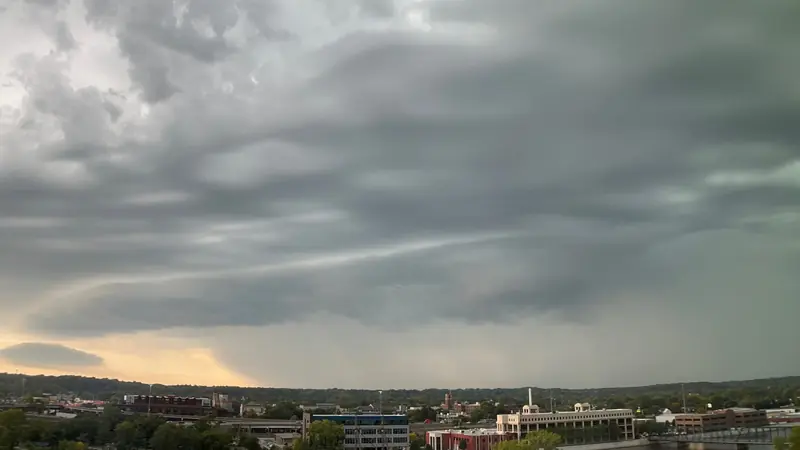
When a severe thunderstorm rolls through Bell County, it usually brings several hazards in a short window: hail, straight-line winds, torrential rain, falling limbs and sometimes lightning. Storm damage roofing in Temple, TX means sorting through all of that at once. A roof may have hail bruising on one slope, wind-lifted shingles on another, and a fresh leak where a branch hit the eave. Treating each issue separately without seeing the full picture leads to missed damage and repeat visits.
Temple Roofers provides an organized post-storm response for homes and commercial buildings across Temple and the surrounding area. We inspect, document with photos, help keep water out in the short term, and give you a written estimate for permanent repair or replacement.
What to Look For After a Storm
Start with a walk around the property once the storm has passed and it's safe to be outside. From the ground, note:
- Shingles, ridge caps or pieces of flashing lying in the yard or driveway
- Branches or debris resting on the roof, or broken limbs above the house
- Dents in gutters, downspouts, mailboxes, AC fin covers or vehicles, which often signal hail fell on the roof too
- Torn window screens, chipped paint or spatter marks on siding and fences
- Gutters pulled away from the fascia or overflowing with granules
- New water stains on ceilings or walls, or a musty smell in upstairs rooms
- Exposed wood, underlayment or decking visible from the street
Our free storm damage checklist walks you through what to photograph and note before calling anyone.
Safety first. Stay away from downed power lines and do not climb onto the roof, even if damage looks minor. Wet or damaged surfaces are slick and unstable. If a tree has struck the house, keep people out of the affected rooms until it has been assessed.
Our Storm Damage Response Process
- Free, no-obligation inspection. We check every slope, ridge, valley, vent, skylight and flashing detail, plus gutters, soft metals and the attic where it's safe to access. You can schedule a free inspection as soon as the weather clears.
- Photo documentation. We photograph damage by type and location, along with overall views of each slope, so you have a clear record of the roof's condition after the storm.
- Temporary protection when needed. If the roof is open or actively leaking, we can tarp or seal the area to limit interior damage while you decide on permanent repairs.
- Written estimate and options. You get a scope that separates storm-related damage from pre-existing wear, with repair and replacement options where both are reasonable.
- Repair or replacement. Once you approve the work, we schedule it, complete it, clean up thoroughly and provide photos of the finished roof.
How Different Storm Hazards Affect a Roof
Most storms leave a mix of damage. Understanding the types helps you know what a thorough inspection should cover:
| Storm hazard | Typical roof damage | Learn more |
|---|---|---|
| Hail | Bruised or cracked shingles, granule loss, dented vents and metal | Hail damage roofing |
| High wind | Lifted, creased or missing shingles; exposed ridge and edges | Wind damage roof repair |
| Heavy rain | Leaks at weakened flashing, overflowing valleys and gutters | Gutters and drainage |
| Falling limbs | Punctured decking, broken rafters, crushed gutters | Usually requires urgent temporary protection |
| Lightning | Scorched or shattered materials near the strike point | Rare, but often accompanied by other damage |
If water is pouring in right now, our emergency roof leak repair page explains what to do first.
Storm Season in Temple and Bell County
Temple sits along the I-35 corridor between Waco and Austin, an area that sees an active spring severe weather season, roughly March through June, followed by a secondary round of storms in the fall. Supercells moving across Bell County can drop hail in one neighborhood and spare the next, so it's common for one side of Temple to see heavy damage while homes a few miles away are untouched. Following the local weather updates after a storm can help you gauge whether your area was in the path.
Because many homes are affected at the same time, storms also bring out-of-town crews who may be gone by the time a problem surfaces. Take your time, ask for photos and a written estimate, and be cautious of anyone who pressures you to sign immediately or offers to cover your insurance deductible. Under Texas law, contractors cannot waive or absorb a deductible.
When to Get a Post-Storm Inspection
Schedule an inspection after any storm that brought hail to your area, produced strong gusts, or left debris in your yard, even if you see no leaks. Hail bruising and broken shingle seals often go unnoticed until the next heavy rain. Many insurance policies also have time limits for reporting damage, so an early inspection keeps your options open. If you plan to file a claim, our insurance claim assistance page explains how we can help with documentation and estimates, and our article on roof insurance claims after a Texas hailstorm covers the general process.
Storm Damage Roof Repair FAQs
As soon as it is safe and practical, ideally within days or a few weeks. Early inspection helps catch hidden damage before the next rain and keeps you within any reporting deadlines in your insurance policy.
Yes. Hail bruising, cracked shingle mats and broken sealant strips often do not leak right away. They weaken the roof and can lead to leaks months later.
Yes. If your roof is open or leaking, we can install temporary protection to help limit interior damage until a permanent repair or replacement can be completed.
Ask for photos of any damage, get a written estimate, take time to compare, and be wary of anyone pressuring you to sign on the spot or offering to cover your deductible, which is illegal for contractors in Texas.
Coverage depends on your policy and the insurance company decision. We cannot guarantee coverage, but we can provide photo documentation and a written repair estimate you can use when you contact your insurer.