When water starts dripping through a ceiling in the middle of a storm, the first priority is keeping your family safe and limiting damage to the inside of the house. Emergency roof leak repair in Temple, TX usually happens in two stages: a temporary measure to keep water out until conditions are safe, followed by a permanent repair once the roof is dry and can be properly inspected. Temple Roofers helps homeowners across Temple and nearby Bell County communities through both stages. Call (512) 297-7580 to describe what is happening.
Immediate Safety Steps Inside Your Home
- Watch for electrical hazards. If water is near light fixtures, ceiling fans, outlets or the breaker panel, stay clear and turn off power to that area at the breaker only if you can reach the panel without standing in water. If in doubt, call an electrician.
- Catch the water. Place buckets, pots or storage bins under drips. A towel in the bottom of the bucket reduces splashing.
- Relieve a bulging ceiling carefully. If drywall is sagging with trapped water, the ceiling can collapse suddenly. Keep people and pets out of the room. Some homeowners puncture a small hole at the lowest point to let water drain into a bucket, but only do this if you can reach it safely and are not standing beneath a large bulge.
- Move belongings. Shift furniture, electronics, rugs and documents away from the wet area, and cover what cannot be moved with plastic sheeting.
- Check the attic only if it is safe. If you have a floored attic with good access and lighting, a bucket under the entry point can help. Step only on joists or decking, and stay out entirely during lightning.
Document Everything
Before and during cleanup, take photos and videos of ceiling stains, dripping water, wet flooring, damaged belongings and any visible exterior damage you can see safely from the ground. Note the date and time the leak started and what the weather was doing. This record helps both your roofer and, if you decide to contact your insurance company, your insurer. Our storm damage checklist lists what to capture. If you file a claim, our insurance claim assistance page explains how we can help with documentation and estimates.
Common Causes of Sudden Roof Leaks
- Shingles torn off or lifted by high winds
- Hail cracking shingles, pipe boots or skylights
- Failed flashing around chimneys, walls and valleys
- Cracked rubber pipe boots that dried out in the summer heat
- Tree limbs puncturing the roof deck
- Clogged gutters causing water to back up under the roof edge
- Wind-driven rain pushing water through vents or under loose trim
For a deeper explanation, read our guide to common causes of roof leaks in Central Texas homes.
How We Handle Emergency Leaks
- Talk it through. When you call, we ask about the location of the leak, how heavily water is coming in, and the weather conditions, then advise you on interior protection.
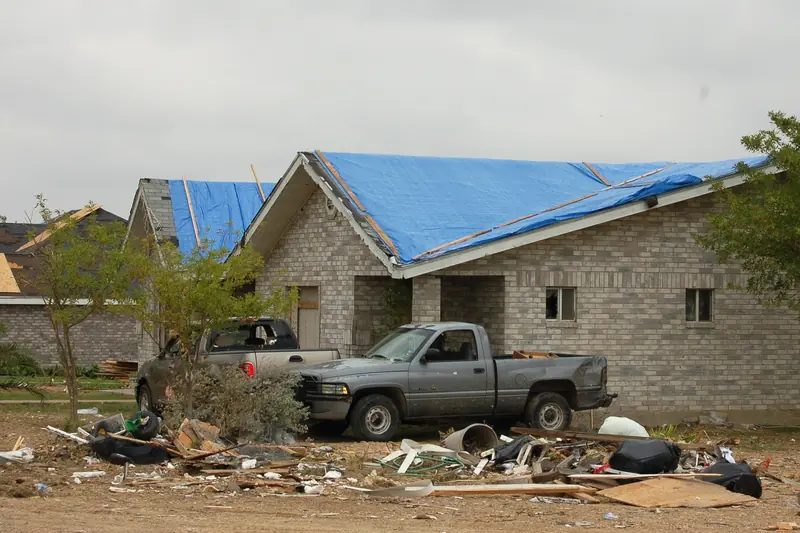
- Temporary protection when it is safe. Once lightning and high winds have passed, a trained crew can install an emergency tarp or temporary patch over the affected area. Tarping is a stopgap, not a repair. It is meant to keep water out for a short time, and properly secured tarps avoid adding new nail holes in undamaged areas where possible.
- Free inspection and photo documentation. When the roof is dry, we inspect to find the true source, which is often some distance from where water appears inside, and photograph everything.
- Written estimate and permanent repair. You receive a written estimate describing the repair and options. Most leaks are corrected with a targeted roof repair; widespread damage may call for storm damage repair or replacement.
Why tarps should be installed by professionals
Tarping a roof means working on a slick, sloped surface, often while it is still wet and windy, with a large sheet that catches wind like a sail. A poorly secured tarp can blow loose, tear shingles, or channel water to a new spot. Leave this job to a roofing crew with the right equipment and fall protection.
Local Weather and Emergency Leaks in Temple
Most emergency calls in Bell County follow severe thunderstorms during the spring storm season, roughly March through June, and during a secondary round in the fall. Heavy downpours can drop a lot of water in a short time, overwhelming gutters and exposing flashing weaknesses that never show up in light rain. Hail and strong straight-line winds can open up a roof in minutes. Hard freezes, such as the February 2021 winter storm, can also trigger leaks as ice melts and backs up at roof edges. Check the Temple weather page for current alerts before scheduling exterior work.
Leaks often show up first in older homes near downtown Temple, where flashing may be decades old, and in homes with complex rooflines where several slopes meet in valleys.
After the Emergency: When to Get an Inspection
Even if the dripping stops when the rain ends, the source is still there. Schedule an inspection promptly after any leak, because wet decking and insulation can lead to rot and mold if left alone. It is also wise to have the roof checked after any major storm, even when nothing has leaked yet. To arrange it, request a free roof inspection or call (512) 297-7580.
Emergency Roof Leak Repair FAQs
Stay safe, keep away from electrical hazards near the water, catch drips with buckets, move belongings away from the wet area, and take photos. Then call a roofer. Do not go onto the roof.
We strongly advise against it. Wet roofs are slippery, wind can pull a tarp and the person holding it, and lightning is a serious risk. Tarping should be done by a trained crew once conditions are safe.
No. A tarp is temporary protection to limit water entry until a proper repair can be made. It should be replaced with a permanent repair as soon as the roof can be inspected and worked on safely.
Water often runs along rafters, decking or the top of drywall before it drips through, so the stain inside may be several feet from the actual entry point. A dry-weather inspection helps locate the true source.
That depends on the cause and your policy. Document the damage with photos, review your policy, and contact your insurer if you believe the damage is covered. Temple Roofers can provide photos and a repair estimate, but we are not public adjusters and cannot negotiate your claim.