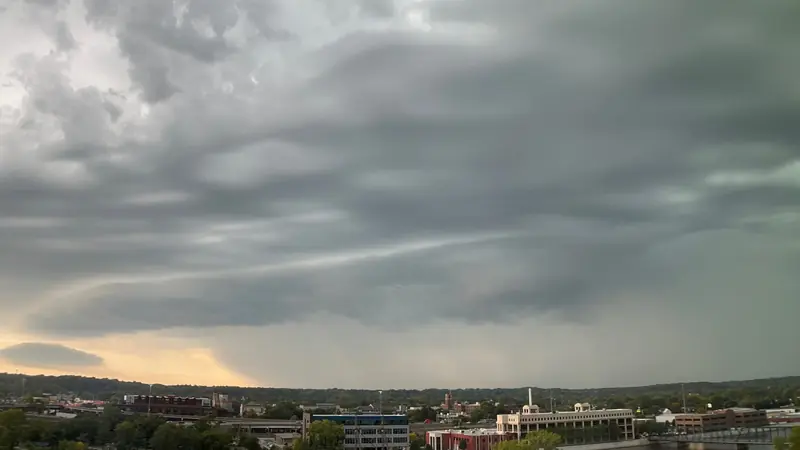
Harker Heights is in western Bell County on the US-190/I-14 corridor, bordering Killeen and a short drive from Fort Cavazos (formerly Fort Hood). Stillhouse Hollow Lake lies just to the south. The city has hillier ground than Temple and a lot of residential growth, and many households have a connection to the military. From our base in Temple, we drive west along US-190 to reach Harker Heights.
Homes and Roofs Across Harker Heights
Hillside and view lots
Parts of Harker Heights sit on rolling hills, and homes on high ground or open slopes take more direct wind than those in sheltered spots. On these roofs we often find shingles lifted along the windward edges, loose ridge caps and wind-driven rain getting in at vents and roof-to-wall joints.
Newer subdivisions
Much of the city's housing was built in the last few decades, often with multi-level roof lines, many valleys and large roof areas. Those designs look great but create more places for water to collect and more flashing to get right. If you are in an HOA, check with your HOA about shingle color and style before replacing your roof.
Rental homes and military families
With Fort Cavazos close by, Harker Heights has many rental homes and owners who may be stationed elsewhere. Military moves can leave a house in the care of tenants or a property manager for years. We work with owners from a distance, coordinate access with tenants, and send photos and written estimates so decisions can be made remotely. If you are preparing to sell or rent out a home before a move, an inspection can flag roof issues early.
Weather Exposure in Western Bell County
Harker Heights sees the same Central Texas storm cycle as Temple, with spring as the peak season for large hail and damaging straight-line winds and a secondary season in the fall. Hilly terrain affects where wind hits hardest, and hailstorms can be highly localized, damaging one neighborhood heavily while sparing the next. Summer heat and strong UV break down shingles, sealants and pipe boots year after year.
Roofing Services for Harker Heights
- Storm damage roof repair after hail and wind events
- Hail damage roofing inspections with detailed photo documentation
- Insurance claim assistance through documentation and estimates
- Roof replacement on complex, multi-level roofs
- Roof inspections for owners, landlords and families preparing to move
If you are thinking about filing a claim after a hailstorm, start with Understanding Roof Insurance Claims After a Texas Hailstorm. To see what hail damage looks like before you call, read How to Spot Hail Damage on Your Roof.
What You Can Expect From Us
Inspections are free and carry no obligation. We look at the full roof system, including shingles, flashing, vents, valleys and gutters, plus the attic when it is safely accessible. Then we walk you through photos of what we found. When work is needed, we provide a written estimate, and when a repair will do the job, we say so.
On insurance, we keep it simple and honest. We are roofers, not public adjusters. We can document damage, write a repair estimate and meet your adjuster if you ask, but we don't negotiate your claim or promise coverage. Texas law prohibits contractors from waiving or absorbing a deductible.
Harker Heights is one of the communities we serve from our base in Temple, along with nearby Nolanville.
Roofing Questions From Harker Heights Homeowners
Yes. We can coordinate access with tenants or property managers and send photos and a written estimate to owners who live elsewhere, including military families stationed away from Fort Cavazos.
It is worth checking. Hail damage can be hard to see from the ground and can vary from one house to the next. A free inspection will show whether your roof was affected.
Harker Heights is about 20 miles west of our base in Temple along US-190. We schedule inspections there regularly and prioritize active leaks after storms.