What to Do After Strong Winds Damage Your Roof in Bell County
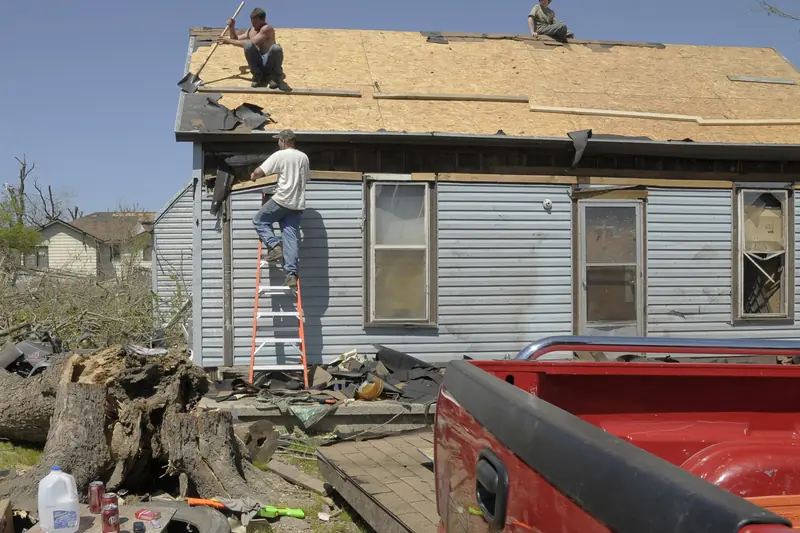
A Central Texas storm can roll through in twenty minutes and leave shingles scattered across the yard. Straight-line winds from spring and fall thunderstorms, and occasionally tornadoes, cause a lot of wind damage to roofs across Temple, Belton, and the rest of Bell County. What you do in the first hours and days afterward affects your safety, how much additional water damage your home takes on, and how smoothly any insurance claim goes. This guide walks through a practical, step-by-step plan, starting with the part that matters most: staying safe.
Step 1: Put Safety Ahead of the Roof
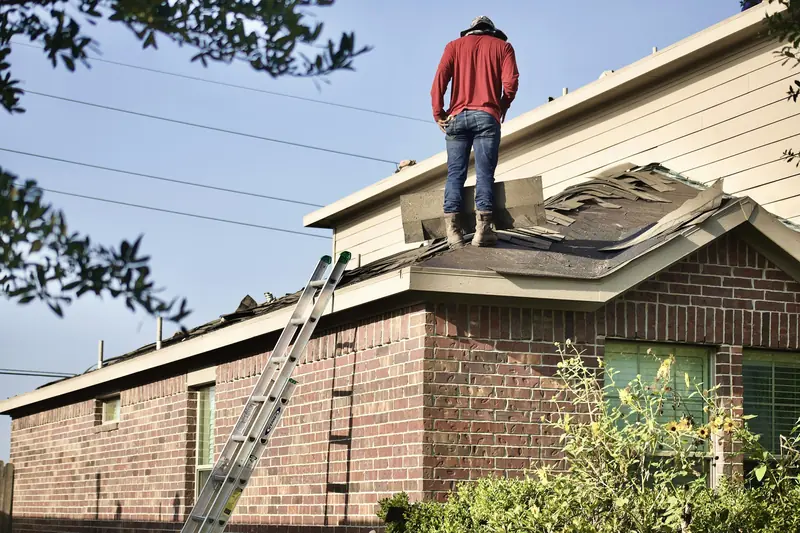
Do not climb onto your roof after a storm. Wind-damaged roofs can have loose shingles, weakened decking, and hidden debris. Wet surfaces are slick, and ladders on soggy ground can shift. Leave rooftop work to professionals with proper safety equipment.
Before you think about shingles, walk the property carefully and look for hazards:
- Downed power lines: treat every fallen line as live. Stay well away, keep kids and pets inside, and call 911 or your electric provider. Never try to move a line or a branch touching one.
- Damaged trees: limbs that are cracked or hung up in the canopy can fall without warning. Avoid standing under them.
- Gas smell: if you smell gas, leave the house and call your gas utility or 911 from a safe distance.
- Water near electrical: if water is coming through a ceiling near light fixtures or outlets, turn off power to that area at the breaker if you can do so safely, or stay out of the room.
- Sagging ceilings: a bulging, water-filled ceiling can collapse. Keep people out from under it.
Wait until the storm has fully passed before going outside. Central Texas storms often come in lines, and a second round of wind or lightning can follow the first. Our local weather page is a quick way to check whether more severe weather is on the way.
Step 2: Look for Wind Damage to Roofs From the Ground
Once it is safe, do a slow walk around the house. You can learn a lot without a ladder. Use binoculars or your phone's zoom, and look at each slope of the roof.
Common signs of wind damage
- Missing shingles: bare patches showing underlayment (often black, gray, or white) or wood decking.
- Lifted or flipped shingles: tabs sticking up or folded back, especially along edges, ridges, and corners where wind pressure is strongest.
- Creased shingles: a horizontal line across a shingle where it was bent upward and back down. These are easy to miss from the ground but can fail later.
- Damaged ridge caps: the shingles along the peak take a beating and are often the first to go.
- Loose flashing or drip edge: metal pieces bent, lifted, or hanging.
- Debris impacts: branches on the roof or punctures from flying objects.
- Gutter damage: sections pulled away from the fascia or bent downspouts.
Also check the yard. Pieces of shingle, ridge cap, or vent covers on the ground tell you something came off, even if you cannot see where. Inside, look at upstairs ceilings and, only if you can safely reach it, peek into the attic for wet decking or daylight.
Step 3: Document Everything Before Cleanup
Good documentation helps you, your roofer, and your insurance company understand what happened. Do this before you start picking up debris or moving things around.
- Photograph the outside. Take wide shots of each side of the house, then closer shots of visible roof damage, fallen shingles, damaged gutters, and fallen limbs.
- Photograph the inside. Capture ceiling stains, wet insulation, damaged belongings, and any water on floors.
- Record the date and time. Note when the storm hit. Your phone's photo timestamps help, but a written note is useful too.
- Keep damaged materials. Set aside a few fallen shingles rather than throwing them all out.
- Save receipts. Tarps, buckets, fans, or emergency services you pay for may matter later.
Our free storm damage checklist gives you a printable list so nothing gets missed in the confusion after a storm.
Step 4: Prevent Further Water Damage
A roof with missing shingles may not leak during the storm that damaged it, but the next rain will find any opening. Temporary protection limits the damage while you arrange repairs, and many insurance policies expect homeowners to take reasonable steps to prevent further loss.
Inside the house
- Move furniture, electronics, and valuables away from leaks.
- Catch drips with buckets and lay down towels or plastic sheeting.
- If a ceiling is bulging with water, keep people away and let a professional handle it.
- Run fans or a dehumidifier to start drying wet areas, as long as there is no electrical hazard.
On the roof
Tarping a roof is a job for a roofer, not a homeowner on a wet ladder. A properly installed emergency tarp is secured so the next gust does not turn it into a sail, and it is fastened in a way that avoids creating new leak points. Our emergency roof leak repair service can tarp or temporarily seal damaged areas to keep water out until permanent repairs are made.
Step 5: Get a Professional Roof Inspection
Even if the damage looks minor from the ground, a professional inspection is worth it. Wind can break the adhesive seal between shingles without tearing them off. Those unsealed shingles look fine but are much more likely to blow off in the next storm. Creases, loose nails, and damaged flashing are also hard to spot from below.
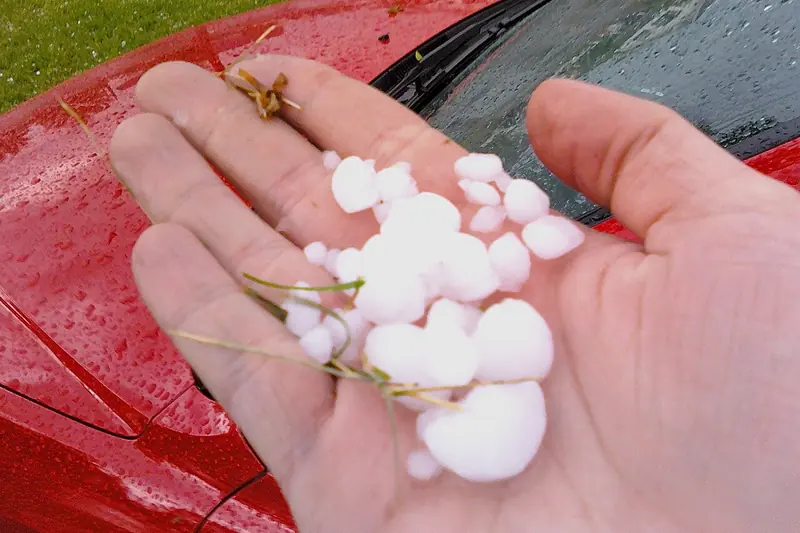
During a roof inspection, Temple Roofers checks every slope, the ridge, flashing, vents, and gutters, then photographs what we find. You get a clear picture of the damage and a written estimate for wind damage roof repair if work is needed. If the storm also brought hail, we look for that too; hail and wind damage often show up together, and our guide on how to spot hail damage explains the difference.
Watch out for storm chasers. After big storms, out-of-town crews often go door to door. Be cautious with anyone who pressures you to sign on the spot, asks for large payments upfront, or offers to "cover" or waive your deductible. In Texas, it is illegal for a contractor to waive, absorb, or rebate a homeowner's deductible.
Step 6: Understand the Insurance Process
Many homeowner policies cover sudden wind damage, but coverage depends entirely on your specific policy, deductible, and the details of the damage. Some Texas policies carry a separate wind and hail deductible, often written as a percentage of the home's insured value, so review your declarations page or call your agent to understand what applies to you.
A few practical points:
- Report promptly. Policies typically require timely notice of damage. Do not let it sit for months.
- Share your documentation. Photos, dates, and a contractor's inspection report help the adjuster understand what happened.
- Know who does what. Your insurance company's adjuster evaluates the claim. Temple Roofers can inspect, document damage, prepare a repair estimate, and be present during the adjuster's visit if you would like, but we are roofers, not public adjusters, and we do not negotiate claims on your behalf.
- Expect to pay your deductible. Texas law requires it, and no legitimate contractor will offer to absorb it.
Our roof insurance claim assistance page explains how we help with documentation, and the article on roof insurance claims after a Texas hailstorm covers the claim process in more detail.
How Shingle Wind Ratings Work
If you end up replacing some or all of your roof, you will likely see wind ratings on shingle packaging and product literature. Here is what they mean in general terms.
Asphalt shingles are commonly tested under standards published by ASTM International. Two you will see most often are ASTM D3161, which uses a fan-induced wind test and assigns classes such as Class A, D, and F (Class F being the highest, tested at 110 mph), and ASTM D7158, which uses an uplift-based method with classes D, G, and H (Class H being the highest, rated for 150 mph). Many architectural shingles sold today carry the higher classifications in one or both tests.
A few things to keep in mind:
- Ratings assume proper installation. Nail count, nail placement, starter strips at eaves and rakes, and correct sealing all affect real-world wind performance. Many manufacturers require specific installation methods, such as additional nails, for higher wind warranties.
- Shingles need time to seal. Most asphalt shingles rely on a heat-activated adhesive strip. On a newly installed roof, those strips may not fully bond until the shingles have had some warm, sunny days, which in Temple usually does not take long.
- Age reduces resistance. Older shingles become brittle and their seals weaken, so a roof that survived storms when new may struggle as it ages. Our article on how long a roof lasts in Temple covers how heat and storms wear roofs down over time.
- Ratings are not guarantees. Tornadoes and extreme gusts can exceed any shingle's rating, and flying debris can damage any roof.
If wind resistance is a priority, metal roofing with properly fastened panels is another option many Bell County homeowners consider.
Repair or Replace After Wind Damage?
Scattered missing shingles on a relatively young roof can usually be repaired by matching and replacing the damaged pieces. Widespread damage, an older roof with brittle shingles that crack when lifted, or shingles that are no longer available in a matching color can tip the balance toward replacement. Our article on roof repair vs. replacement covers that decision in detail.
Your Next Steps After the Wind Dies Down
Stay safe first, document what you see, keep water out, and get a professional set of eyes on the roof before small problems become big ones. If strong winds have hit your home in Temple, Belton, Harker Heights, Salado, or nearby, schedule a free roof inspection with Temple Roofers. We will check the roof from ridge to gutters, photograph the damage, and give you a written estimate so you can decide what to do next with clear information in hand. For urgent leaks, call (512) 297-7580.
Frequently Asked Questions
There is no single number. A new, well-installed roof can handle strong gusts, while an older roof with brittle shingles or weakened seals may lose shingles in less severe winds. Edges, corners, and ridges are usually the first places to fail.
It is not a good idea. Lifting shingles usually means the seal or nails have failed, and a quick fix may not hold. More importantly, it requires getting on the roof, which is unsafe for homeowners, especially after a storm. Have a roofer evaluate and repair it.
As soon as it is safe and convenient, ideally within a few days. If water is coming in, call right away for temporary protection. Prompt inspection also helps you meet any reporting deadlines in your insurance policy.
It depends on your policy, your deductible, and the cause and extent of the damage. Many policies cover sudden wind damage, but only your insurer can make that determination. A contractor can document damage and provide an estimate but cannot guarantee coverage.
Get a Free Roof Inspection in Temple
Photos, plain-language findings and honest advice — at no cost and with no obligation.