How Often Should You Have Your Roof Inspected in Temple, TX?
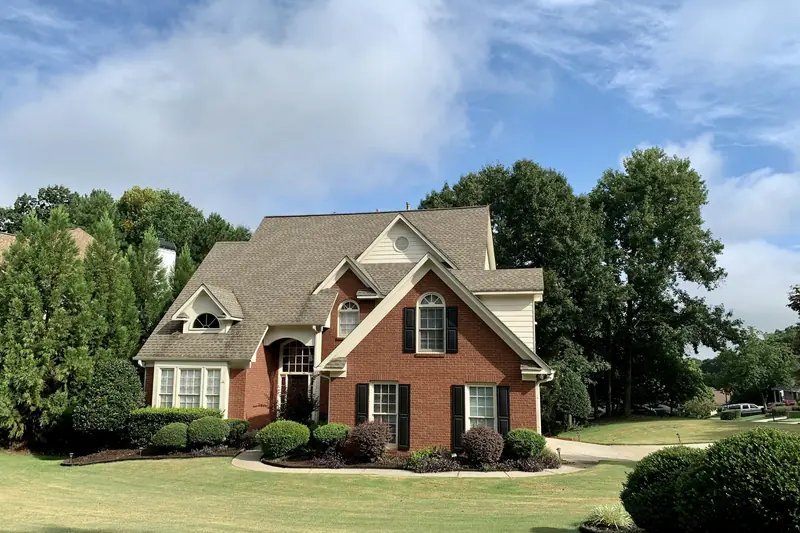
Most homeowners only think about their roof when water shows up on a ceiling. By then, a small problem has usually had months to grow. A regular roof inspection in Temple is the simplest way to catch loose shingles, failing flashing, and storm damage while they are still inexpensive fixes. The question is how often you actually need one. The honest answer depends on your roof's age, its material, and what the Central Texas weather has thrown at it lately, but there is a sensible schedule most Bell County homes can follow.
The Short Answer: Once a Year, Plus After Major Storms
For a typical asphalt shingle roof on a Temple home, a professional inspection once a year is a good baseline. Many homeowners schedule it in late winter or early spring, before the main severe weather season gets going, so any weak spots can be repaired before the hail and wind arrive. Others prefer early fall, after the summer heat has done its work and before the secondary storm season and the occasional winter freeze.
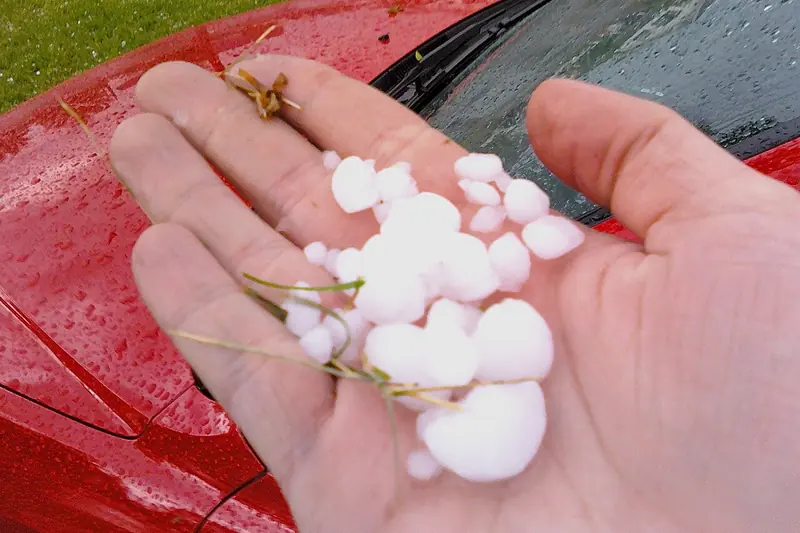
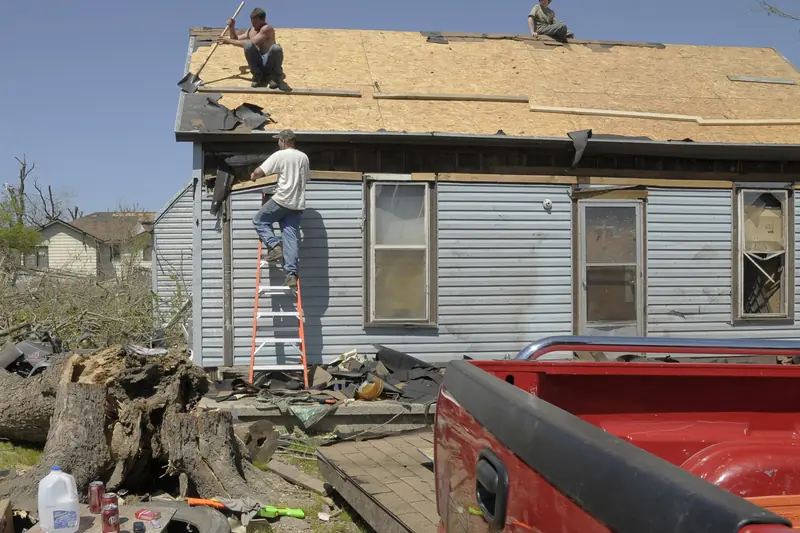
On top of that annual visit, you should plan an extra inspection after any storm that brings hail, strong straight-line winds, or a tornado warning to your part of the county. That does not mean calling a roofer after every thunderstorm. It means paying attention when neighbors start talking about hail, when you see debris in the yard, or when you notice contractors' trucks appearing on your street.
Rule of thumb: one scheduled inspection a year, one "event" inspection after any significant hail or wind storm, and a closer look as your roof passes the midpoint of its expected life.
Why Temple Roofs Need More Attention Than the Calendar Suggests
Inspection advice written for mild climates often says every two or three years is fine. That rarely holds up here. Temple sits along I-35 in a part of Texas that sees a busy spring storm season, roughly March through June, with a second round of severe weather in the fall. Hail, gusty outflow winds, and heavy downpours can all arrive in the same afternoon.
Then there is the heat. Summers regularly push into the upper 90s and past 100°F, and the sun is intense for much of the year. That constant heat and UV exposure slowly dries out asphalt shingles, makes sealant strips brittle, and breaks down rubber pipe boots. None of it happens overnight, but over several summers it adds up. (We go deeper into this in our article on how Texas summer heat affects your roof and attic ventilation.)
Finally, the expansive clay soils common around Bell County can cause homes to shift slightly as the ground swells and shrinks between wet and dry periods. That movement sometimes shows up at the roofline as gaps in flashing, cracked mortar around chimneys, or sagging gutters. An annual inspection is a good chance to spot those changes early.
Recommended Inspection Schedule by Situation
Not every roof needs the same attention. Use this as a general guide and adjust it to your own home.
| Situation | Suggested inspection timing | Why it matters |
|---|---|---|
| Newer roof (first several years) | Once a year | Confirms installation details are holding up and creates a baseline record of condition. |
| Roof at or past mid-life | Once a year, sometimes twice | Granule loss, brittle shingles, and worn sealants become more common. |
| After hail or high winds | Within days to a few weeks | Damage may not leak right away, and insurance policies often have reporting time limits. |
| Buying or selling a home | Before closing | Gives both sides a clear picture of the roof's condition and remaining life. |
| After other work on the roof | Shortly after the work is done | Satellite dishes, solar, HVAC, or skylight installs can disturb shingles and flashing. |
| Commercial or low-slope roofs | Typically twice a year | Ponding water, seams, and drains need closer, more frequent attention. |
Newer roofs
It is tempting to skip inspections on a roof that is only a few years old. Resist that. The early years are when installation issues tend to surface: a nail that was not driven flush, a vent boot that was not sealed properly, or a valley that is collecting debris. A quick annual check also gives you photos of the roof in good condition, which can be useful later if you ever need to show what changed after a storm.
Older roofs
Once a shingle roof is well into its service life, problems tend to arrive faster. Shingles lose granules, edges start to curl, and the seal between tabs weakens, which makes them easier for wind to lift. If you are not sure where your roof stands, our guide on how long a roof lasts in Temple walks through typical lifespans by material. On an older roof, a spring and fall inspection is a reasonable way to stay ahead of leaks while you plan for eventual replacement.
Metal and commercial roofs
Metal roofs generally need less frequent attention than shingles, but fasteners, sealants, and trim still deserve a periodic look, especially after hail. Flat and low-slope roofs on commercial buildings are a different story. Drains, seams, and ponding areas should be checked more often, and our commercial roofing team can set up a schedule that fits the building.
What a Professional Roof Inspection in Temple Should Cover
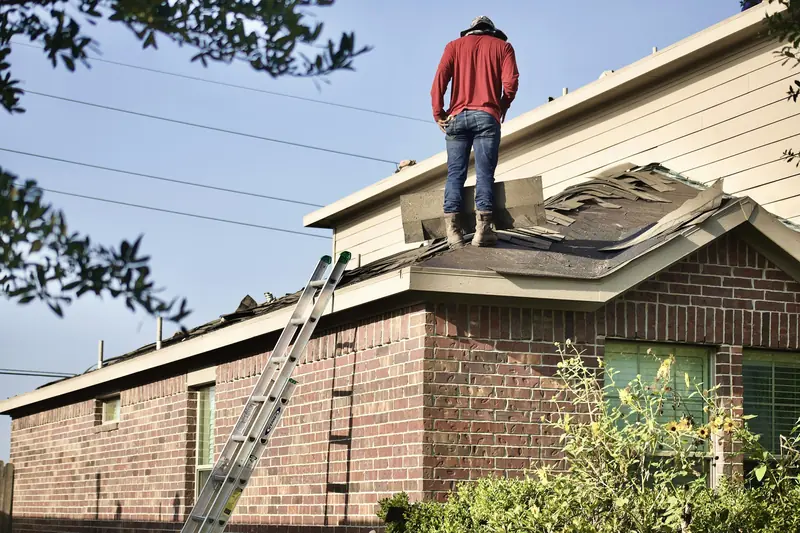
A real inspection is more than a glance from the driveway. When you book one, you should expect the inspector to look at the roof as a system, not just the shingles. A thorough visit usually includes:
- Roof covering: missing, cracked, curled, or lifted shingles; granule loss; hail bruising; exposed nail heads.
- Flashing: around chimneys, walls, skylights, and valleys, where many leaks begin.
- Penetrations: plumbing vent boots, exhaust vents, and anything else that cuts through the roof deck.
- Ventilation: ridge vents, soffit vents, and turbines, and whether the attic is breathing the way it should.
- Gutters and drainage: clogs, loose hangers, and downspouts that dump water against the foundation.
- Attic and interior: stains on decking, damp insulation, daylight showing through, or signs of pests.
- Overall structure: sagging ridgelines or soft spots that point to deck damage.
At Temple Roofers, a roof inspection includes photos of what we find, so you can see the issues for yourself instead of taking our word for it. If repairs are needed, you get a written estimate and can decide what to do next without pressure.
Signs You Should Not Wait for Your Annual Inspection
Some situations call for a roofer sooner rather than later. If you notice any of the following, it is worth scheduling a visit right away:
- Water stains, bubbling paint, or damp spots on ceilings or upper walls.
- Shingles or pieces of shingle in the yard after a windy night.
- Large amounts of granules collecting in gutters or at the bottom of downspouts.
- Dents on gutters, downspouts, AC units, or vehicles after a hailstorm.
- A musty smell in the attic or upstairs rooms.
- Daylight visible through the roof boards in the attic.
- Higher-than-usual cooling bills, which can point to ventilation or insulation problems.
If you do find active leaking, our emergency roof leak repair service can help get the area protected quickly. For hail-specific warning signs, our article on how to spot hail damage on your roof explains what bruised shingles and dented metal look like.
What You Can Safely Check Yourself Between Inspections
You do not need to wait for a professional to keep an eye on your roof. A few minutes a couple of times a year can tell you a lot, and none of it requires a ladder.
Safety first: please do not climb onto your roof. Shingles can be slick, steep pitches are easy to underestimate, and summer heat makes surfaces dangerously hot. Everything below can be done from the ground or from inside the house.
- Walk the perimeter. Look up at each slope from the yard. Binoculars help. Check for missing shingles, dark patches, or anything that looks out of line.
- Take photos. A phone camera with zoom is a great tool. Photos taken on a sunny day each spring make it easy to compare year to year.
- Look at the gutters. From the ground, note any sagging sections and check downspout outlets for heavy granule buildup.
- Check the ceilings. Scan upstairs ceilings and closets, especially near exterior walls and around light fixtures.
- Peek in the attic if it is safe. Only if you can stand on solid flooring or framing, and preferably on a cool morning. Look for stains, damp insulation, or light coming through.
Our roof maintenance checklist for Temple homeowners has a more complete seasonal routine if you want to build these habits into the year.
Inspections After Storms and the Insurance Question
After a hailstorm or high winds, an inspection serves two purposes. First, it tells you whether there is damage that needs repair. Second, it gives you documentation if you decide to file a claim with your insurance company. Many homeowner policies set a time limit for reporting damage, so it is smart to check your policy and not let weeks turn into months.
Temple Roofers can inspect the roof, photograph damage, prepare a repair estimate, and be present when your adjuster visits if you would like. We are roofers, not public adjusters, so we do not negotiate claims on your behalf, and no contractor can promise that a claim will be approved. Texas law also requires homeowners to pay their own deductible; a contractor offering to waive or cover it is breaking the law. Our page on roof insurance claim assistance explains what we can and cannot do. If a storm just passed through, the storm damage checklist is a helpful first step, and our local weather page can help you keep an eye on what is coming.
Buying or Selling a Home in Bell County
A general home inspection usually includes a roof assessment, but it is often limited to what can be seen safely. On older homes near downtown Temple, or on properties that have been through several storm seasons, a dedicated roof inspection can give buyers a clearer idea of remaining life and upcoming costs. Sellers benefit too, because addressing small repairs ahead of listing removes a common negotiating point.
If the inspection shows the roof is near the end of its life, you will want to understand your options. Our article on roof repair vs. replacement covers how to weigh that decision, and the roof replacement cost calculator can give you a rough starting range.
Making Inspections a Habit
The easiest way to stay on schedule is to tie your roof inspection to something you already do each year, like changing HVAC filters in spring or checking smoke detector batteries. Keep a simple folder with inspection photos, repair receipts, and your roof's installation date. That record helps with maintenance planning, insurance conversations, and eventual resale.
If it has been more than a year since anyone looked closely at your roof, or a recent storm has you wondering, now is a good time. You can schedule a free roof inspection with Temple Roofers. We will walk the roof, photograph what we find, and give you a straightforward written assessment, whether that means a small roof repair or simply peace of mind until next year.
Frequently Asked Questions
Yes. Many roof problems, such as hail bruising, lifted shingles, and cracked vent boots, do not cause visible leaks until moisture has already reached the decking or insulation. Catching them early usually means a smaller repair.
For a typical single-family home in Temple, the inspection itself usually takes somewhere around 30 minutes to an hour, depending on the size, pitch, and whether the attic is checked. You do not need to be on the roof or in the attic during the visit.
Late winter or early spring is a popular choice because it lets you fix weak spots before the main storm season. Early fall also works well, after summer heat and before cooler weather. The most important thing is to pick a time and stick with it each year.
Temple Roofers offers free, no-obligation roof inspections for homeowners in Temple and nearby communities. You receive photos and an honest assessment, plus a written estimate if any work is recommended.
Not usually. An ordinary rain shower is no reason to call a roofer. Schedule an extra inspection after storms with hail, damaging winds, or debris, or if you notice missing shingles, dents on metal surfaces, or new ceiling stains.
Get a Free Roof Inspection in Temple
Photos, plain-language findings and honest advice — at no cost and with no obligation.